YOUR RESULT

You’re a High Performer
You’ve done the work. Now it’s about precision.
You’ve built something real. You know how to train, you understand nutrition, and you’ve previously achieved results that most women are still working towards.
You’re not here because you’re struggling with the basics. You’re here because you know your current approach isn’t taking you further.
At this level, the problem is rarely effort. It’s almost always precision, knowing when to push, when to pull back, and what to actually prioritise next.
YOUR TOP TRAITS
Excellence
Discipline
High Standards
Self-Awareness
“The gap between good and great is rarely effort. It’s strategy.”
What’s Holding You Back...
At this level, the challenges aren’t obvious. They’re subtle and easy to miss.
1. Your training can lack purpose
Progress now comes from training smarter, not working harder. You’re already showing up and doing the sessions, but training often feels more like ticking a box than building towards something. When you’ve been training for years, doing what you’ve always done stops producing the results it used to. Your body has adapted, but your training hasn’t evolved with it.
Signs this is you: Your training feels flat or repetitive, your drive in the gym has dipped, and you can’t clearly identify what you’re working towards right now.
2. You need more adaptability
Getting to this level required consistency, discipline, and staying on track. But that same rigidity can become the ceiling. Progress now comes from being adaptable. Being able to adjust your training, nutrition, and recovery when life demands more is what separates women who keep progressing from those who plateau or burn out.
Signs this is you: you feel like a failure when you miss sessions or have an off week, and the idea of pulling back or eating more feels genuinely uncomfortable.
3. You’re not fully recovering
The higher your training age, the more recovery matters. Advanced women often accumulate years of training stress without ever truly periodising recovery, and the result is a body that’s chronically fatigued but still showing up. Eventually this catches up. Recovery isn’t just sleep and rest days. It’s also how you’re fuelling.
Signs this is you: You feel wired but tired, you can’t remember the last time you had a planned deload, and you’re likely eating less than your training output demands.
Start Here
Define the goal
The easy wins are behind you. At this level, progress requires a long-term plan with clear phases and smaller targets along the way. Your nutrition and training need to work towards the same outcome, not operate independently.
Build adaptability
This means learning to listen to your body instead of always overriding it, and creating genuine room for rest, fun, and flexibility. Adaptability isn’t lowering your standards. It’s learning how to maintain them across a full life.
Take recovery seriously
Recovery is a performance variable, and often overlooked by high performers. Track what matters, adjust your workload, prioritise sleep quality, manage stress, and plan your deloads. If you’re not managing recovery, you’re limiting your progress.
Top 5 Mistakes You're Making
This video covers the five most common mistakes women at your stage are making that almost nobody talks about.
Start Here
Define the goal
The easy wins are behind you. At this level, progress requires a long-term plan with clear phases and smaller targets along the way. Your nutrition and training need to work towards the same outcome, not operate independently.
Build adaptability
This means learning to listen to your body instead of always overriding it, and creating genuine room for rest, fun, and flexibility. Adaptability isn’t lowering your standards. It’s learning how to maintain them across a full life.
Take recovery seriously
Recovery is a performance variable, and often overlooked by high performers. Track what matters, adjust your workload, prioritise sleep quality, manage stress, and plan your deloads. If you’re not managing recovery, you’re limiting your progress.
Top 5 Mistakes You're Making
This video covers the five most common mistakes women at your stage are making that almost nobody talks about.
Turn Effort Into Progress
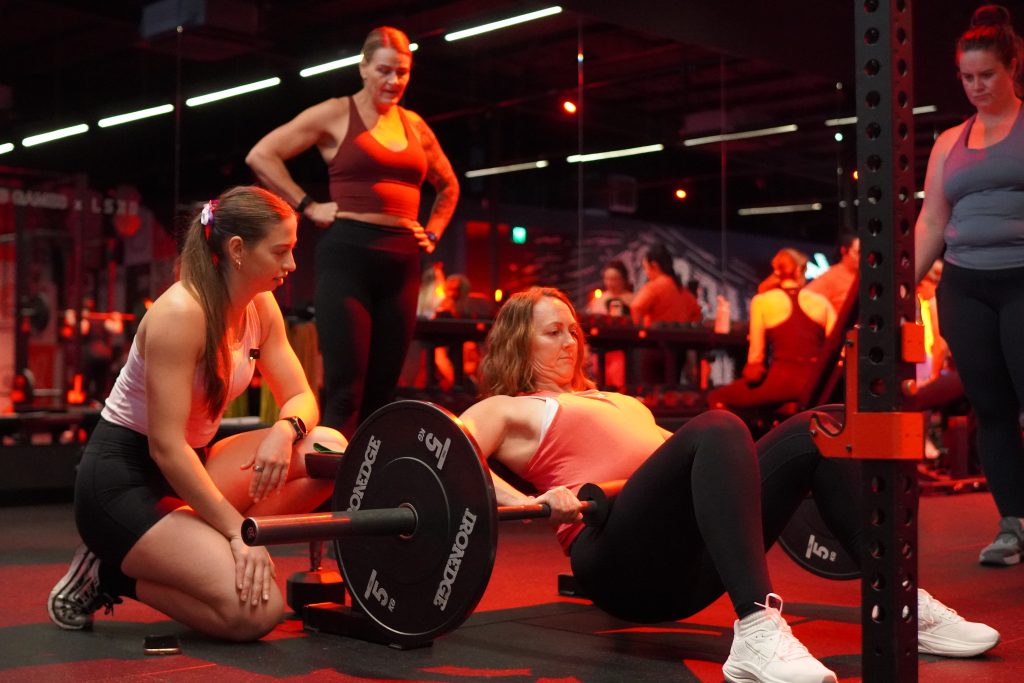
If this page describes your experience, then you’re exactly who we coach.
You’re not far off, you just need the right structure and support to move forward.
The next step is a short application.
It takes a few minutes and helps us see if coaching is the right fit for you.
